Digital Marketing Artificial Intelligence: The Ultimate Guide to AI Tools & Platforms (2026)
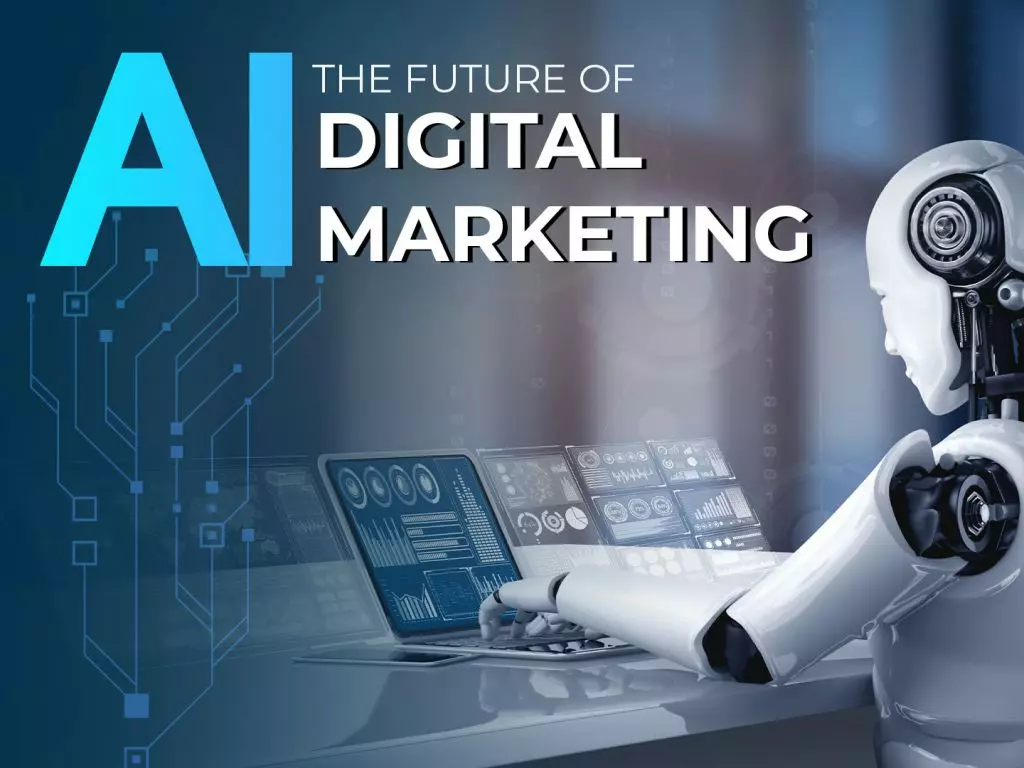
Artificial Intelligence (AI) is no longer a futuristic concept; it is now the backbone of modern digital marketing. From automating campaigns to predicting customer behavior, AI is transforming how businesses connect with their audiences.

In 2026, companies that fail to adopt AI-driven strategies risk falling behind in an increasingly competitive digital landscape.
This pillar guide explores how AI is reshaping digital marketing, the top AI tools marketers are using today, and the most powerful AI marketing platforms driving growth.
If you are a beginner or an experienced marketer, this post will help you understand how to leverage AI for better results.
Digital Marketing Artificial Intelligence
Digital marketing artificial intelligence refers to the use of AI technologies, such as machine learning, natural language processing, and data analytics, to enhance marketing strategies and improve performance.
AI enables marketers to analyze vast amounts of data, automate repetitive tasks, and deliver highly personalized experiences to customers.
Advantages of AI in Digital Marketing
One of the most significant advantages of AI in digital marketing is data-driven decision-making. AI systems can process large datasets quickly and identify patterns that humans might miss. This allows businesses to understand customer behavior, preferences, and trends more accurately.
For example, AI can analyze website traffic, social media interactions, and purchase history to determine what content resonates most with users. This insight helps marketers create targeted campaigns that drive engagement and conversions.
Another key application of AI is automation. Tasks such as email marketing, social media scheduling, and customer segmentation can be automated, saving time and increasing efficiency. AI-powered chatbots can also handle customer inquiries 24/7, improving customer service and satisfaction.
Personalization is another area where AI excels. By analyzing user data, AI can deliver tailored content, product recommendations, and ads. This level of personalization enhances the customer experience and increases the likelihood of conversions.
Predictive analytics is also transforming marketing strategies. AI can forecast future trends and customer behavior, allowing businesses to make proactive decisions. For instance, it can predict which products are likely to be popular or which customers are at risk of churning.
However, implementing AI in digital marketing comes with challenges, including data privacy concerns, high implementation costs, and the need for skilled professionals. Businesses must ensure they use AI responsibly and comply with data protection regulations.
In summary, digital marketing artificial intelligence is a powerful tool that enhances efficiency, improves targeting, and drives better results. As AI continues to evolve, its impact on digital marketing will only grow stronger.
Top AI Tools for Digital Marketing

AI tools are essential for modern marketers looking to streamline their workflows, improve performance, and stay competitive.
Below are some of the top AI tools widely recognized in the industry for digital marketing.
1. ChatGPT
This AI-powered tool is widely used for content creation, idea generation, and customer interaction. Marketers use it to write blog posts, social media captions, email campaigns, and even ad copy. It helps save time while maintaining high-quality output.
2. Jasper AI
Jasper AI is a popular content creation tool designed specifically for marketers. It offers templates for blog posts, ads, and emails, making it easy to create optimized content quickly.
3. Surfer SEO
Surfer SEO uses AI to analyze top-ranking pages and provide recommendations for optimizing content.
It helps marketers improve their search engine rankings by aligning their content with SEO best practices.
4. Canva
Canva integrates AI features for design automation, making it easy to create visuals, social media posts, and marketing materials without advanced design skills.
5. HubSpot
HubSpot offers AI-powered tools for email marketing, lead generation, and customer relationship management. It helps businesses automate and optimize their marketing efforts.
6. Google Analytics
Google Analytics uses machine learning to provide insights into user behavior, traffic sources, and conversions. It helps marketers make data-driven decisions.
7. Grammarly
Grammarly improves content quality by checking grammar, tone, and clarity. It ensures that marketing content is professional and engaging.
Why AI Tools Matter
These AI tools are essential because they:
- Automate repetitive tasks.
- Improve content quality.
- Enhance data analysis.
- Increase productivity.
- Optimize marketing campaigns.
By integrating these tools into their workflows, marketers can achieve better results with less effort.
AI Marketing Platforms
AI marketing platforms are comprehensive solutions that combine multiple AI capabilities into a single system.
These platforms help businesses manage, automate, and optimize their marketing strategies at scale.
Salesforce Marketing Cloud
One of the most popular AI marketing platforms is Salesforce Marketing Cloud. It uses AI to personalize customer experiences, automate campaigns, and analyze performance data.
Businesses can create targeted campaigns based on customer behavior and preferences.
Adobe Experience Cloud
Another powerful platform is Adobe Experience Cloud. It provides tools for content management, analytics, and personalization.
Its AI capabilities enable businesses to deliver consistent and relevant experiences across multiple channels.
Marketo
Marketo is also widely used for lead management, email marketing, and campaign automation.
It helps businesses nurture leads and convert them into customers.
ActiveCampaign
ActiveCampaign combines AI-driven automation with customer relationship management. It allows businesses to create personalized email campaigns and track customer interactions.
Key Features of AI Marketing Platforms
- Customer segmentation and targeting.
- Campaign automation.
- Predictive analytics.
- Personalization at scale.
- Performance tracking and reporting.
Benefits of AI Marketing Platforms
AI marketing platforms offer several advantages:
- Improved efficiency through automation.
- Better customer insights.
- Enhanced personalization.
- Higher conversion rates.
- Scalable marketing operations..
Challenges to Consider
Despite their benefits, AI marketing platforms can be complex and expensive to implement. Businesses must invest in training and ensure proper integration with existing systems.
Why AI Platforms Are the Future
AI marketing platforms are becoming essential for businesses looking to stay competitive. They enable marketers to manage complex campaigns, analyze data, and deliver personalized experiences more effectively.
In conclusion, by leveraging AI tools and platforms, marketers can stay ahead of the competition and adapt to the ever-changing digital landscape. The key to success lies in understanding how to use AI effectively and continuously improving strategies based on data and insights.
As technology continues to evolve, AI will play an even bigger role in shaping the future of marketing. Businesses that embrace AI today will be better positioned to succeed tomorrow.
FAQs on Digital Marketing Artificial Intelligence
1. What is AI in Digital Marketing?
AI in digital marketing refers to the use of artificial intelligence technologies, machine learning systems, and automation tools to improve marketing performance, analyze customer data, and optimize campaigns.
Instead of relying entirely on manual processes, AI helps marketers make smarter decisions based on real-time data and behavioral insights.
AI in digital marketing is commonly used for:
- Customer segmentation.
- Personalized recommendations.
- Automated email campaigns.
- Predictive analytics.
- Chatbots and customer support.
- Content generation.
- Advertising optimization.
For example, when an e-commerce platform recommends products based on your browsing history, AI is analyzing your behavior to personalize your experience.
One of the biggest advantages of AI is its ability to process massive amounts of data quickly. What might take a human team several days to analyze can often be done by AI in seconds.
In today’s competitive digital environment, AI is no longer just an advanced tool, it is becoming a core part of modern marketing strategy.
2. What Are the Best AI Tools for Digital Marketing?
Several AI-powered tools are helping marketers automate tasks, improve creativity, and optimize campaign performance. Some of the most widely used tools include:
These tools serve different functions within digital marketing.
For example:
- ChatGPT helps with content generation and idea development.
- Jasper AI focuses on AI-powered copywriting.
- Surfer SEO assists with content optimization and SEO analysis.
- Canva uses AI features for design and visual content creation.
- HubSpot provides automation and customer relationship management.
- Google Analytics helps track user behavior and campaign performance.
The best AI tool depends on your marketing goals. Some businesses prioritize content creation, while others focus more on analytics, automation, or customer engagement.
From experience, the most effective marketers are not those who use the most tools, but those who understand how to integrate AI tools strategically into their workflow.
3. How Does AI Improve Marketing Strategies?
AI improves marketing strategies by helping businesses make faster, smarter, and more data-driven decisions.
Traditional marketing often relied heavily on assumptions and manual analysis. AI changes this by analyzing customer behavior patterns and identifying insights that humans might miss.
AI improves marketing strategies in several ways:
Better Data Analysis
AI can process large amounts of customer data quickly and identify trends, behaviors, and opportunities in real time.
This helps marketers understand:
- What content performs best.
- Which audiences convert more often.
- What products are customers interested in.
- When users are most likely to engage.
Personalization at Scale
AI allows businesses to personalize customer experiences for thousands—or even millions—of users simultaneously.
This includes:
- Personalized emails.
- Product recommendations.
- Dynamic website content.
- Customized advertisements.
Marketing Automation
AI automates repetitive tasks such as:
- Scheduling social media posts.
- Sending follow-up emails.
- Segmenting customer lists.
- Running chatbot interactions.
This saves time and improves operational efficiency.
Predictive Analytics
AI can predict customer behavior based on historical data. This helps marketers anticipate:
- Purchase intent.
- Customer churn.
- Engagement likelihood.
- Future trends.
This predictive capability allows businesses to make proactive marketing decisions rather than reactive ones.
4. Are AI Marketing Platforms Expensive?
AI marketing platforms can vary significantly in cost depending on their features, complexity, and scale.
Some AI tools are affordable and designed specifically for small businesses, while enterprise-level platforms can be expensive due to advanced automation, analytics, and integration capabilities.
For example:
- Entry-level tools may cost only a small monthly subscription fee.
- Enterprise AI platforms may require significant investment.
However, many businesses find that the return on investment (ROI) justifies the expense because AI improves:
- Efficiency.
- Customer engagement.
- Conversion rates.
- Campaign performance.
AI also reduces the amount of manual work required in marketing operations, which can save businesses time and labor costs over the long term.
From experience, businesses should focus less on the price of the platform and more on:
- The value it provides.
- The problems it solves.
- The revenue opportunities it creates.
When implemented strategically, AI often becomes an investment rather than an expense.
5. Is AI Replacing Digital Marketers?
No, AI is not replacing digital marketers. Instead, AI is enhancing their capabilities and changing the way marketing work is performed.
AI is very effective at:
- Automating repetitive tasks.
- Processing data.
- Identifying patterns.
- Generating content suggestions.
However, AI still lacks many human qualities that are essential in marketing, such as:
- Emotional intelligence.
- Creativity.
- Strategic thinking.
- Brand storytelling.
- Human connection.
Digital marketing still requires people to:
- Develop strategies.
- Understand audience psychology.
- Build brand identity.
- Make ethical decisions.
- Create authentic experiences.
What AI is doing is helping marketers become more efficient by handling time-consuming tasks so they can focus on higher-level strategy and creativity.
From experience, the marketers who thrive in the AI era are not those who fear AI, but those who learn how to work alongside it effectively.
6. How is AI Changing the Future of Digital Marketing?
AI is transforming digital marketing by making campaigns more personalized, automated, and data-driven. Businesses can now understand customer behavior more accurately and deliver highly relevant experiences in real time.
AI is also changing how marketers create content, analyze performance, and engage with audiences across digital channels.
7. What Industries Benefit Most From AI Marketing?
Many industries benefit from AI marketing, including:
- E-commerce.
- Healthcare.
- Finance.
- Education.
- Real estate.
- Entertainment.
- Travel and hospitality.
Any industry that relies on customer engagement and digital communication can use AI to improve marketing performance.
8. Can AI Create Marketing Content?
Yes, AI can generate marketing content such as:
- Blog posts.
- Email campaigns.
- Product descriptions.
- Social media captions.
- Ad copy.
However, human oversight is still important to ensure the content remains accurate, creative, and aligned with the brand voice.
9. What Are the Benefits of AI in Digital Marketing?
The benefits of AI in digital marketing include:
- Faster data analysis.
- Better customer targeting.
- Increased personalization.
- Improved efficiency.
- Higher conversion rates.
- Automated workflows.
- Better customer experiences.
AI helps marketers make smarter decisions while reducing repetitive manual work.
10. Are AI Marketing Tools Difficult to Use?
Many modern AI marketing tools are designed to be user-friendly, even for beginners.
Platforms often include:
- Drag-and-drop interfaces.
- Automated recommendations.
- Simple dashboards.
- AI-powered assistants.
However, more advanced tools may require technical knowledge or training to fully utilize their capabilities.
11. How Does AI Help With Customer Engagement?
AI improves customer engagement by delivering more personalized and timely interactions.
For example:
- AI chatbots provide instant responses.
- Personalized recommendations increase interaction.
- Automated emails keep customers engaged.
- Predictive systems anticipate customer needs.
These features create smoother and more satisfying customer experiences.
12. What Are the Risks of AI in Marketing?
Despite its advantages, AI marketing also has risks, including:
- Data privacy concerns.
- Bias in AI algorithms.
- Over-automation.
- Dependence on technology.
- Loss of human creativity if misused.
Businesses must use AI responsibly and balance automation with authentic human interaction.
13. Why is AI Important in Digital Marketing in 2026?
AI is becoming increasingly important in 2026 because digital competition is growing rapidly, and consumers expect personalized experiences.
Businesses that use AI effectively can:
- Respond faster to market changes.
- Improve customer experiences.
- Optimize campaigns more efficiently.
- Stay competitive in evolving digital markets.
AI is no longer a futuristic concept; it is becoming a foundational part of modern digital marketing strategy.
Related Articles:
- AI Personalization Marketing: Examples & Strategy (2026)
- Digital Marketing Strategy: Samuel Anan Complete Guide
- Marketing Trends: The Ultimate Guide