AI Content Indexing: How To Get Indexed On AI Platforms Like ChatGPT, Gemini, Grok, And Perplexity
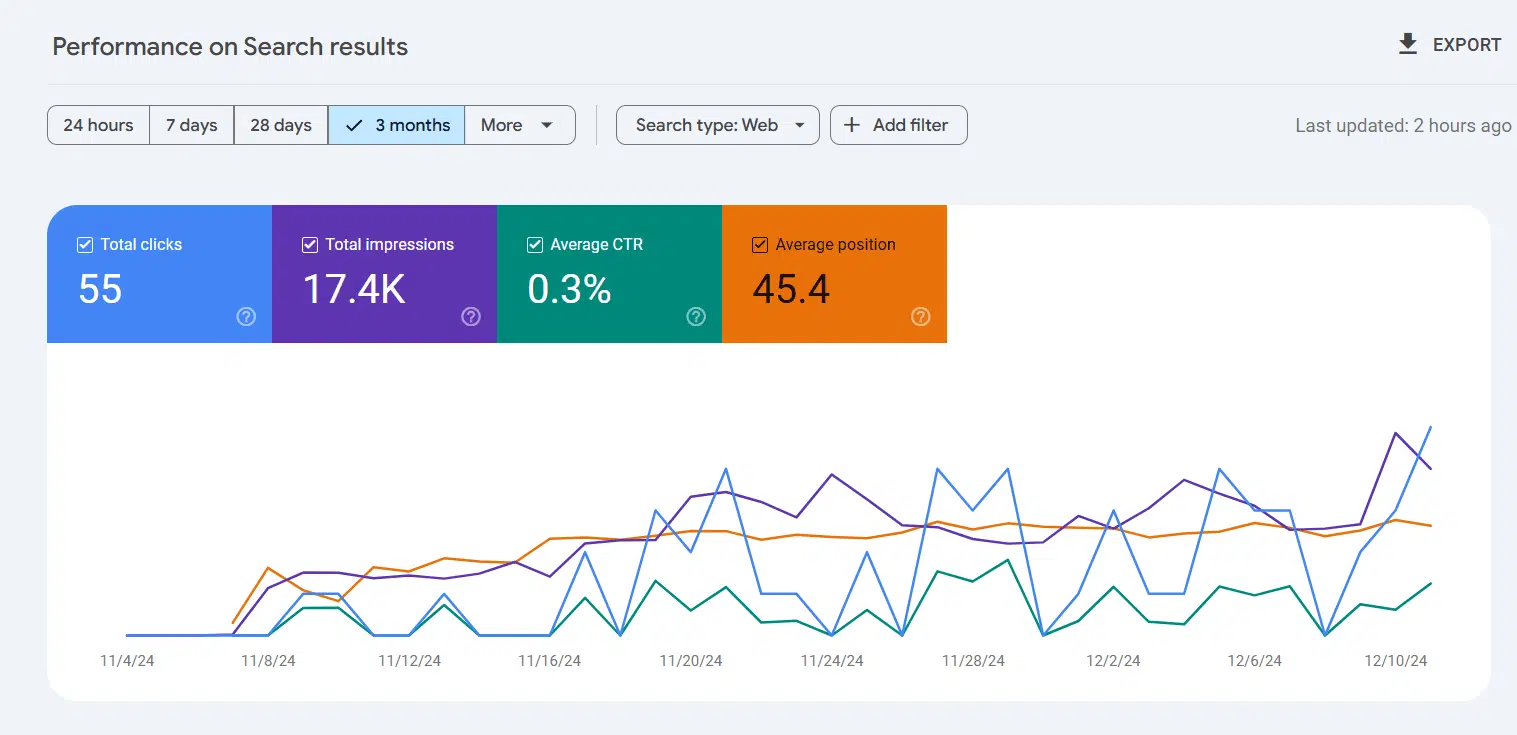
AI content indexing is rapidly changing the way websites are discovered online. Traditional search engines once relied heavily on keywords, backlinks, and manual optimization signals to rank pages.

Today, AI-powered search systems use advanced technologies like Natural Language Processing (NLP) and Machine Learning (ML) to understand meaning, intent, and context before deciding which content deserves visibility.
Recent shifts in search behavior show that users are increasingly turning to AI assistants and conversational search tools instead of relying solely on traditional search engines.
People now expect direct answers, conversational responses, and personalized information. This evolution has made AI content indexing one of the most important aspects of modern digital visibility.
Instead of only matching keywords, AI systems analyze the deeper meaning behind content. They evaluate how well a page answers a question, whether the information is trustworthy, and how relevant the context is to the user’s intent.
This is why content creators and SEO professionals are now focusing on conversational search optimization, semantic relevance, and long-tail keyword strategies.
What Is AI Content Indexing?

AI content indexing refers to the process by which AI-powered search engines and large language models discover, analyze, interpret, and organize web content so it can be retrieved when users ask questions.
Unlike traditional indexing systems that prioritize exact-match keywords, AI indexing focuses on understanding the overall meaning of content. AI crawlers scan pages to determine topic relevance, contextual relationships, authority, readability, and user value.
This process allows AI systems to generate detailed and conversational answers instead of simply listing links. AI search tools use indexed content to build responses that are more aligned with human conversation and natural language patterns.
As a result, websites that provide structured, high-quality, and context-rich content are more likely to appear in AI-generated search results.
How AI Crawlers Work

To understand AI content indexing, it is important to understand how AI crawlers function. AI crawlers are more advanced than traditional web bots because they do not rely solely on keyword mapping.
AI crawlers use Natural Language Processing to understand language patterns and semantic meaning. They also rely on Machine Learning models to identify contextual relevance between queries and web content.
Instead of asking, “Does this page contain the keyword?” AI systems ask, “Does this page truly answer the user’s question?”
These crawlers analyze sentence structure, topical depth, conversational tone, entity relationships, and contextual similarities. They evaluate whether content is informative, trustworthy, and useful enough to be surfaced in AI-generated responses.
Different AI platforms also use different indexing systems. Some use their own proprietary crawlers, while others depend on existing search engine APIs.
The Shift From SEO to GEO
Traditional SEO focused heavily on ranking pages through keyword optimization, backlinks, and technical improvements.
While these practices still matter, AI-driven search has introduced a new concept called Generative Engine Optimization (GEO).
GEO focuses on optimizing content specifically for AI-generated search experiences. Instead of only trying to rank in search results, businesses now want their content cited directly inside AI-generated answers.
AI systems prioritize content that delivers clear, direct, and contextual responses. This means websites must move beyond basic keyword stuffing and focus on expertise, readability, authority, and conversational clarity.
Generative Engine Optimization improves discoverability because AI tools often select concise and highly relevant content when generating responses. If your content directly answers common user questions, AI systems are more likely to reference it.
This shift has changed the digital landscape significantly. Businesses can no longer depend entirely on traditional organic traffic. AI content indexing now plays a major role in visibility across conversational search platforms.
Why AI Content Indexing Matters
AI content indexing matters because AI-powered search engines are becoming central to how users find information online.
Modern users expect quick and direct answers instead of manually browsing multiple websites. AI systems satisfy this demand by generating summaries and conversational responses instantly.
When your content is properly indexed by AI systems, your website gains increased visibility across AI-driven platforms. This can improve authority, engagement, and brand recognition.
AI indexing also helps websites stay relevant as search behavior evolves. Businesses that optimize content for AI discovery position themselves ahead of competitors still relying only on traditional SEO methods.
Additionally, AI content indexing supports better contextual relevance. Instead of competing for one exact keyword, optimized pages can appear for multiple conversational variations and related queries.
How to Optimize Content for AI Indexing
Optimizing for AI content indexing requires a combination of traditional SEO principles and AI-focused content strategies.
Content should be written in a conversational tone while still maintaining depth and accuracy. Long-tail keywords and natural language phrases help AI systems better understand user intent.
Structured content is also essential. Clear headings, concise paragraphs, FAQ sections, and semantic organization make it easier for AI crawlers to interpret information.
Topical authority plays a major role as well.
Websites that consistently publish in-depth and trustworthy content within a niche are more likely to be referenced by AI systems.
Fast-loading pages, mobile responsiveness, and accessible site architecture also improve AI crawlability.
Many AI crawlers prioritize websites that offer strong user experiences and easy content accessibility.
Contextual keyword optimization is equally important. Instead of repeating one keyword excessively, content should include related terms and semantic variations that strengthen topic relevance.
AI Content Indexing on Major AI Platforms

Here are some AIs that index content:
1.ChatGPT
OpenAI’s ChatGPT is one of the most widely used AI assistants in the world. It provides conversational responses, detailed explanations, coding assistance, and creative outputs.
ChatGPT relies heavily on contextual understanding and conversational prompts. While there is currently no direct manual submission system for indexing websites, visibility on search engines like Bing can improve discoverability because some AI systems depend on external search APIs.
Content optimized for conversational relevance, semantic clarity, and user intent is more likely to appear in AI-generated responses.
2. Gemini
Google’s Gemini combines traditional search algorithms with advanced reasoning capabilities.
Gemini still values SEO fundamentals such as backlinks, technical optimization, and authority signals. However, it also prioritizes answer-focused content and semantic understanding.
Websites with detailed guides, FAQ sections, and informative articles are more likely to perform well within Gemini’s AI-driven ecosystem.
4. Perplexity
Perplexity AI emphasizes trustworthy, citation-backed conversational answers.
Perplexity values authoritative and factual content from credible sources.
Websites that demonstrate expertise, fast performance, and mobile optimization have a stronger chance of being referenced.
Since the platform focuses heavily on direct answers, creating clear and well-structured informational content is essential for visibility.
5. Grok
xAI’s Grok uses real-time web search capabilities and deep contextual analysis to answer both simple and complex queries.
Grok analyzes online discussions, current events, and contextual relationships before generating responses. This makes fresh, relevant, and context-rich content especially valuable for indexing.
Content optimized for topical depth and real-world relevance is more likely to appear within Grok-generated responses.
6. Claude
Anthropic’s Claude focuses heavily on nuanced understanding, long-form reasoning, and conversational depth.
Claude prioritizes quality, freshness, and accessibility. Since its crawlers do not execute JavaScript, websites should ensure that critical content is visible in raw HTML.
Detailed and trustworthy informational content performs best within Claude’s indexing systems.
7 Tips to Improve Your Website and Get Indexed

As AI-powered search engines continue to transform how people discover information online, businesses can no longer rely only on traditional SEO practices.
Modern AI systems use Natural Language Processing (NLP), machine learning, and contextual understanding to evaluate and index websites. This means your website must not only rank well in traditional search engines but also align with how AI systems interpret content relevance, authority, and user intent.
Understanding AI Content Indexing is essential if you want your website to appear in AI-generated search results from platforms like ChatGPT, Gemini, Perplexity, Grok, and Claude.
The good news is that improving your AI visibility does not require rebuilding your entire website. With the right optimization strategies, you can make your content easier for AI crawlers to discover, understand, and prioritize.
1. Improve Your Website’s Crawlability
The foundation of AI Content Indexing begins with crawlability. AI crawlers must be able to access, scan, and understand your website before your content can appear in AI-powered search results.
Similar to traditional search engine bots, AI crawlers evaluate your pages, links, and structure to determine whether your content deserves indexing.
One of the first areas to review is your robots.txt file. This file tells crawlers which sections of your website they can or cannot access.
Incorrect configurations may accidentally block important pages, leading to soft 404 errors that reduce crawling efficiency and hurt visibility. Properly configured robots.txt files ensure that AI crawlers focus only on valuable pages while avoiding duplicate or irrelevant content.
Creating a well-structured XML sitemap is equally important. Sitemaps help AI systems locate your pages quickly and understand the overall structure of your website. Websites with organized sitemaps are generally easier for AI tools to crawl and index effectively.
You should also identify broken links, redirect loops, and slow-loading pages. These issues disrupt the crawling process and negatively impact indexing performance.
A clean and accessible website structure allows AI crawlers to process your content more efficiently and improves your overall visibility in AI search environments.
2. Produce High-Quality Content
High-quality content remains the core of successful AI Content Indexing. AI-powered search engines prioritize content that delivers clear value, answers user questions directly, and demonstrates authority and relevance.
Unlike traditional keyword-focused SEO strategies, AI systems analyze the meaning and intent behind your content. This means your articles should be written for humans first while still maintaining proper optimization.
Your goal should be to understand what your audience is searching for and provide direct, accurate, and conversational answers.
FAQ sections are especially effective for AI indexing because they mirror the question-and-answer format AI systems prefer.
Concise responses improve your chances of appearing in featured snippets, AI Overviews, and conversational AI responses.
Freshness also matters significantly. AI search engines favor updated content because it signals relevance and accuracy. Regularly reviewing and refreshing your articles with new statistics, examples, and insights can strengthen your indexing potential.
Additionally, strong internal linking and reputable external backlinks help establish trust and authority. AI systems often interpret authoritative links as credibility signals, increasing the likelihood of your content being surfaced in AI-generated answers.
3. Use Schema Markup
Schema markup plays a major role in AI Content Indexing because it helps AI systems understand the meaning and structure of your content.
Structured data provides additional context about your pages, making it easier for search engines and AI models to interpret information correctly.
The
FAQ schema is particularly valuable because AI systems frequently extract concise answers from structured FAQ sections.
If your content clearly answers common questions, your chances of appearing in AI-driven search results increase significantly.
Other useful schema types include review schema, event schema, product schema, and article schema. These structured data formats help AI crawlers categorize your content more accurately and improve machine readability.
To implement schema markup, you can use tools like Google’s Structured Data Markup Helper to generate the necessary code. After adding schema to your pages, testing tools can confirm whether your implementation is functioning properly.
Schema markup does not directly guarantee rankings, but it greatly improves the clarity and accessibility of your content for AI systems. As AI search continues to evolve, structured data will become even more essential for indexing and visibility.
4. Improve Website Structure
A clear and organized website structure benefits both users and AI crawlers. AI Content Indexing relies heavily on how easily crawlers can navigate your website and understand the relationships between pages.
Logical categories and subcategories help AI systems identify topical relevance and contextual connections between pieces of content. Well-organized websites allow AI models to recognize authority within specific subject areas more effectively.
Internal linking also strengthens content relationships. Strategic links guide crawlers toward important pages and help distribute authority across your website. At the same time, they improve the user experience by helping visitors find related information quickly.
Complex navigation systems can create unnecessary friction for both users and crawlers. Ideally, visitors should reach important pages within two or three clicks. Simplified navigation improves accessibility and enhances crawl efficiency.
Your URLs should also be descriptive and easy to understand. Clean URLs containing relevant keywords provide additional context to AI systems and improve content interpretation.
For example, a URL like “/ai-content-indexing-tips” is far more useful than a random string of numbers or unclear parameters.
5. Build Backlinks
Backlinks continue to influence AI Content Indexing because many AI search systems still rely on traditional search engine data.
While AI models focus heavily on context and content quality, authoritative backlinks remain important trust signals.
Search engines like Google and Bing evaluate backlinks as indicators of credibility and domain authority. Since AI platforms often pull information from these search engines, websites with strong backlink profiles are more likely to appear in AI-generated results.
However, quality matters far more than quantity. Low-quality or spammy backlinks can damage your visibility instead of improving it. Focus on earning links from reputable websites within your niche or industry.
Relevant backlinks help establish your content as trustworthy and authoritative. For example, a technology website receiving backlinks from respected tech publications will have stronger AI indexing potential than one linked from unrelated or low-quality domains.
Building backlinks through guest posting, digital PR, industry collaborations, and valuable content creation remains one of the most effective ways to strengthen AI visibility and long-term search performance.
6. Optimize for Voice Search
Voice search optimization has become increasingly important for AI Content Indexing because millions of users now rely on AI-powered assistants like Siri, Alexa, and Google Assistant for information discovery.
Voice searches are usually conversational and question-based, which means your content should mirror natural speech patterns. Writing in a clear, simple, and conversational tone helps AI systems better match your content to spoken queries.
Long-tail keywords and question-focused phrases are especially valuable. Instead of targeting short generic terms, focus on detailed queries that reflect how people naturally speak. This increases the likelihood of your content being selected for AI-generated voice responses.
Featured snippets are another important factor because voice assistants often pull answers directly from snippet-ready content. FAQ sections, concise summaries, and structured data all improve your chances of earning these positions.
Mobile optimization is equally critical since most voice searches occur on smartphones. Faster loading speeds, responsive layouts, readable fonts, and minimal popups all contribute to a better mobile experience and stronger AI indexing performance.
7. Submit Your Site to Indexes
One of the simplest yet most essential AI Content Indexing strategies is submitting your website to major search engines. Google Search Console and Bing Webmaster Tools help ensure your pages are discoverable and properly indexed.
Submitting your sitemap allows search engines to understand your website structure more efficiently. You can also request indexing for important pages, speeding up their appearance in search results and increasing their chances of being referenced by AI systems.
Beyond traditional search engines, participating in online communities like Reddit and Quora can also improve AI discoverability. These platforms often appear prominently in search results and provide AI systems with conversational, question-focused content.
Quora’s structured Q&A format is particularly valuable because it aligns naturally with how AI systems deliver information. Reddit discussions, meanwhile, frequently appear in AI-generated summaries due to their relevance, engagement, and authenticity.
Monitoring your performance is essential after implementing these strategies. Analyze traffic patterns, indexing rates, and visibility trends regularly to identify which tactics are producing the best results.
Helpful Tools to Optimize Your Website
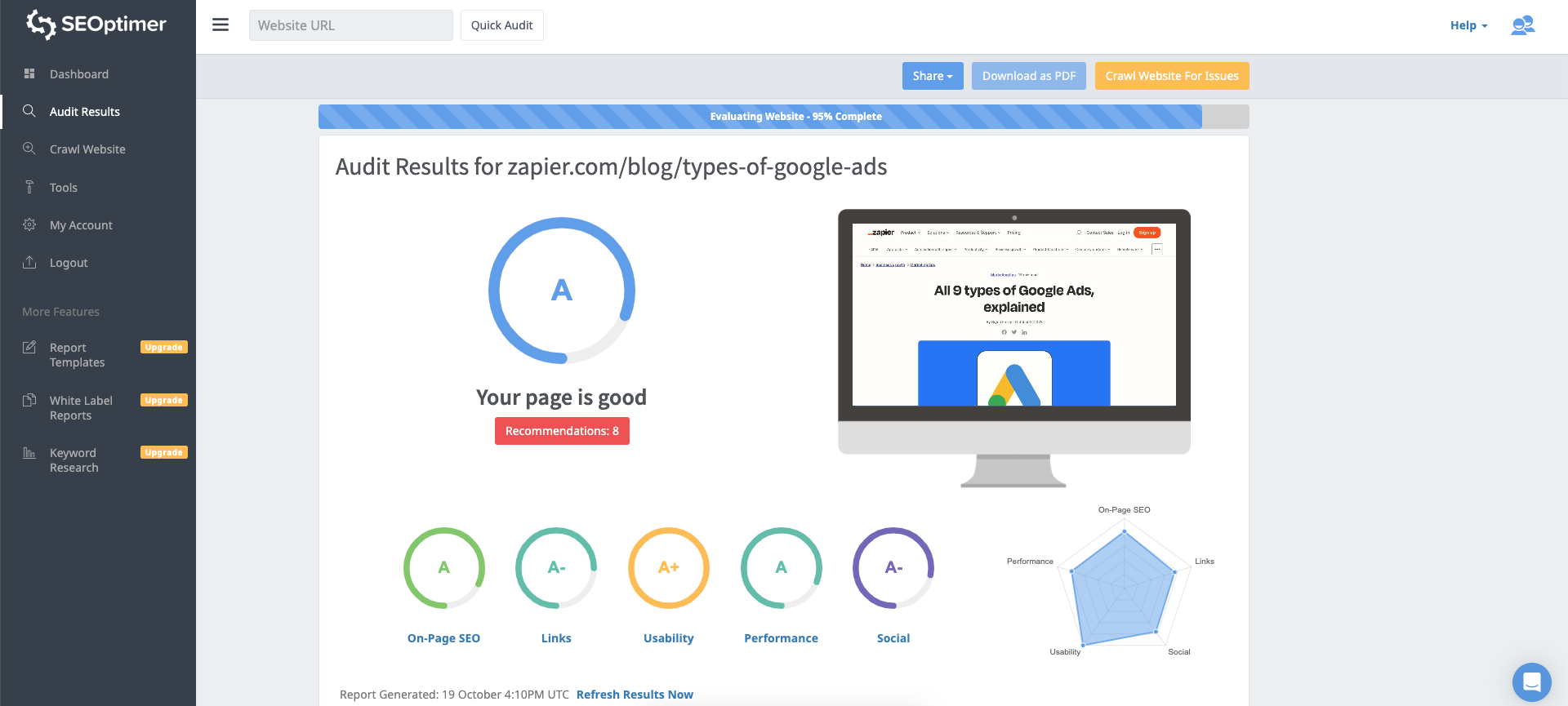
As AI-powered search engines continue to reshape online discovery, businesses must optimize their websites not only for traditional search engines but also for AI systems like ChatGPT, Gemini, Perplexity, Claude, and Grok.
This shift has made AI Content Indexing one of the most important aspects of modern SEO.
AI search engines evaluate websites differently from traditional crawlers. They focus on content quality, user experience, accessibility, semantic relevance, and technical performance.
That is why using the right optimization tools can dramatically improve your website’s ability to get discovered, crawled, and indexed by AI systems.
Below are some of the most effective tools for improving AI Content Indexing and strengthening your website’s overall performance.
1. Google PageSpeed Insights
Google PageSpeed Insights is one of the most important tools for improving AI Content Indexing because page speed directly affects both user experience and crawlability.
AI systems prefer websites that load quickly and perform smoothly across all devices.
The tool provides detailed Core Web Vitals reports, helping you identify issues related to loading speed, interactivity, and visual stability.
It also offers practical recommendations such as reducing unused JavaScript, compressing images, improving server response time, and optimizing CSS files.
Since AI crawlers prioritize websites that provide a seamless user experience, improving your PageSpeed score can positively impact both traditional rankings and AI search visibility.
Faster websites also reduce bounce rates, increase engagement, and make it easier for AI systems to process and understand your content efficiently.
2. Lighthouse
Lighthouse is a powerful website auditing tool designed to evaluate accessibility, performance, SEO, and mobile usability.
It plays a major role in AI Content Indexing because AI systems favor websites that are technically optimized and easy to navigate.
The tool scans your website and highlights areas that need improvement, including accessibility errors, poor mobile responsiveness, slow-loading scripts, and weak SEO structures. It also measures how well your website performs on different devices and network conditions.
AI-powered search engines value websites that are user-friendly and accessible to everyone.
By fixing the issues Lighthouse identifies, you improve not only the visitor experience but also your website’s ability to get indexed and surfaced in AI-generated search results.
3. Google Mobile-Friendly Test
Mobile optimization is now a major factor in AI Content Indexing because most online searches happen on smartphones and tablets.
Google Mobile-Friendly Test helps website owners identify problems that affect mobile usability and overall search performance.
The tool checks whether your text is readable without zooming, whether buttons and touch elements are properly spaced, and whether your website adapts correctly to smaller screens.
Poor mobile experiences can negatively impact indexing because AI systems prioritize websites that deliver smooth performance on all devices.
Websites with responsive designs, faster loading speeds, and clean mobile interfaces are more likely to appear in AI-powered search results and voice search responses.
Mobile optimization is no longer optional; it is a core requirement for modern AI visibility.
4. CompressOrDie
Large image files are one of the most common reasons websites load slowly. CompressOrDie helps improve AI Content Indexing by compressing images without sacrificing quality, allowing your pages to load faster and perform better.
AI systems value speed and efficiency because faster websites create better user experiences. Compressing your images reduces page weight, improves loading times, and minimizes bandwidth usage.
The tool supports multiple file formats and gives you control over image quality, resolution, and compression settings.
Optimized images not only improve website performance but also increase the likelihood that AI crawlers can process your pages more efficiently.
5. Cloudflare
Cloudflare is a Content Delivery Network (CDN) and security platform that significantly improves website speed, reliability, and protection. It supports AI Content Indexing by helping websites load faster across different locations worldwide.
A CDN works by distributing your content across multiple global servers so visitors can access data from the nearest location. This reduces loading times and improves overall website performance.
Cloudflare also provides security features such as DDoS protection, SSL certificates, caching, and traffic optimization. AI systems tend to prioritize secure and reliable websites because they offer better user experiences and stronger trust signals.
By improving speed, uptime, and security, Cloudflare strengthens your website’s chances of performing well in both traditional and AI-powered search environments.
Does Google Penalize AI Content?
One of the most common concerns surrounding AI Content Indexing is whether Google penalizes AI-generated content. The simple answer is no. Google does not automatically penalize content simply because it was created using AI tools.
What Google cares about is content quality. If AI-generated content is useful, original, accurate, and written for users rather than search manipulation, it can rank well in search results.
However, low-quality AI content created purely to spam keywords or manipulate rankings may violate Google’s spam policies.
Google’s focus remains on helpful content that demonstrates expertise, experience, authoritativeness, and trustworthiness. This means businesses should use AI as a support tool rather than relying on it to produce unedited, low-value articles.
Combining AI efficiency with human expertise creates stronger content that performs better in both traditional search engines and AI-powered indexing systems.
Does AI Content Rank in Google?
Yes, AI-generated content can absolutely rank in Google when it meets quality standards. Google has confirmed that content quality matters more than the method used to create it.
Well-optimized AI-assisted articles that provide accurate information, answer user intent clearly, and deliver genuine value can perform exceptionally well in search rankings. Many businesses now use AI to assist with content research, drafting, keyword analysis, and optimization.
However, AI content should always be reviewed and improved by humans. Adding personal insights, expert opinions, updated statistics, case studies, and a clear structure helps make the content more trustworthy and valuable.
AI-generated content that lacks originality, context, or accuracy may struggle to rank because modern search engines prioritize user satisfaction and content reliability.
How to Get Indexed by ChatGPT
Getting indexed by ChatGPT involves improving your overall web visibility and making your content accessible to the systems ChatGPT relies on for information retrieval.
Since ChatGPT often references data from search engines like Bing and publicly available web sources, strong SEO and AI optimization are essential.
The first step is ensuring your website is indexed by Bing and Google. Submitting your sitemap to Bing Webmaster Tools and Google Search Console helps search engines discover your content faster.
Related Searches: